Rigid Sewer Camera: The Smart Way to Inspect Sewer Lines Fast
A clogged or damaged sewer line can cause big problems. A rigid sewer camera can help fix the issue. It lets you see the problem, so you don’t have to guess. This helps you save time, money, and feel less stressed. A sewer camera lets people look inside the pipes. A rigid sewer camera with a locator is even better. It helps find the exact spot where the problem is underground. This makes repairs easier and more accurate.
This guide will teach you about rigid sewer cameras. It will explain what they are, how they work, and if they are a good buy in the USA.
What Is a Rigid Sewer Camera?
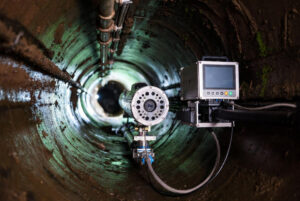
A rigid sewer camera is a tool that helps people see inside sewer and drain pipes. It has a strong rod, a good camera, and a screen to show what it sees. This kind of camera is better than the flexible ones you can buy because it can go farther and handle tough jobs. That’s why plumbers, inspectors, and contractors use them.
Key Components
- High-resolution waterproof camera
- Rigid or semi-rigid push cable
- LED lights for dark pipes
- Monitor or DVR recording system
Because of this design, rigid sewer cameras offer stable movement and clearer images.
How a Rigid Sewer Camera Works
Using a rigid sewer camera is simple and efficient. First, the camera is put into the drain or sewer. Then, a strong cable pushes it further in. The video shows up on the screen at the same time.
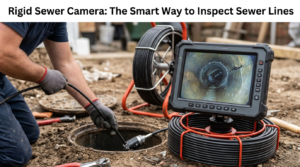
As a result, you can instantly spot:
- Cracks or breaks
- Root intrusions
- Blockages
- Pipe misalignment
The system can show where the camera is when it’s underground by using a locator.
Rigid Sewer Camera with Locator: Why It Matters
Many rigid sewer cameras have a special part inside the camera head that sends a signal to a tool above ground. This means when the camera finds a problem underground, the tool tells you exactly where it is on the surface. Why does this matter? Because if you don’t have this tool, you would still have to guess where to dig even after you find a problem with the camera. With the tool, you can mark the exact spot, dig one time, and fix the problem. This saves time, work, and money on digging – it’s a very important feature for checking sewers.
Benefits of a Locator System
- Reduces unnecessary digging
- Saves labor costs
- Speeds up repairs
- Improves customer trust
Because of these advantages, locator-equipped sewer cameras are widely used in the USA.
Who Should Use a Rigid Sewer Camera?
This type of sewer camera is not just for large companies. In fact, many professionals rely on it daily.
Ideal Users
- Plumbing contractors
- Sewer inspectors
- Property managers
- Home inspectors
- DIY homeowners (advanced users)
If you inspect pipes often, investing in a rigid sewer camera makes sense.
Rigid Sewer Camera vs Standard Sewer Camera
Let’s compare both options so you can decide wisely.
| Feature | Rigid Sewer Camera | Standard Sewer Camera |
|---|---|---|
| Cable strength | High | Medium |
| Image stability | Excellent | Average |
| Distance reach | Long | Short |
| Locator support | Yes | Rare |
| Professional use | Yes | Limited |
Clearly, a rigid sewer camera is better suited for professional inspections.
Key Features to Look For
You should think about some key things before you buy a rigid sewer camera.
- Rod Length — 60ft is standard for residential use; 100ft–200ft for commercial or municipal lines
- Camera Resolution — 720p is acceptable, but 1080p gives sharper footage for spotting hairline cracks
- Built-in Locator vs. Separate — combo units are more convenient; separate locators offer more range
- Monitor Display — a 7-inch+ screen makes viewing easier in bright outdoor conditions
- Recording Capability — SD card or DVR recording lets you save footage for clients or insurance documentation
- Waterproof Rating — look for IP68-rated camera heads for full submersion protection
Before buying a rigid sewer camera, focus on these features.
- Camera Quality: Choose at least 720p or 1080p resolution. Clear images matter.
- Cable Length : Common lengths range from 100 to 200 feet. Longer pipes need longer cables.
- Build Quality : A stainless steel camera head lasts longer.
- Recording Capability : DVR and SD card support help document inspections.
- Locator Compatibility
This feature adds serious value for professionals.
Price Range in the USA
The price of a rigid sewer camera varies by features.
- Entry-level: $800 – $1,500
- Mid-range with locator: $2,000 – $4,000
- Professional systems: $5,000+
Although the upfront cost is high, the long-term savings are worth it.
Is a Rigid Sewer Camera Worth Buying?
Yes, especially if you inspect sewer lines regularly. Instead of outsourcing inspections, you control the process. Moreover, you diagnose problems faster and with confidence. Over time, the camera pays for itself through saved labor and improved accuracy.
Best Use Cases
Rigid sewer cameras are used across a wide range of inspection scenarios:
- Pre-purchase home inspection — check the sewer line condition before buying a property
- Municipal and commercial lines — inspect large-diameter main lines quickly
- Post-repair verification — confirm a repair was successful without guessing
- Root intrusion or collapse detection — identify structural issues before they become emergencies
Because of its durability, it works well in tough pipe conditions.
Frequently Asked Questions (FAQ)
Q1: What is the difference between a rigid and flexible sewer camera?
Answer: A rigid sewer camera has a stiff rod that stays straight. This makes it good for big, straight pipes. A flexible camera has a curly cable that bends. It works better for small or curvy pipes.
Q2: Can I use a rigid sewer camera for small household drains?
Answer: Rigid cameras work well for big pipes. They are good for pipes that are 3 inches or bigger. For smaller pipes, like those under bathroom sinks or in shower lines, a different kind of camera is better. This kind of camera is flexible and small.
Q3: How does the locator feature work on a sewer camera?
Answer: The camera head has a special part that sends out a radio signal. A device held above the ground finds this signal and shows exactly where the camera is underground and how deep it is.
Q4: How deep can a rigid sewer camera with locator reach?
Answer: Most standard models can find the camera head 10 to 15 feet under the ground. Better models can go deeper, depending on how strong the signal is.
Q5: Do I need professional training to use a rigid sewer camera?
Answer: Using it is easy – push the rod and look at the monitor. But to know what the pictures on the screen mean, you might need to use it a few times. Most plumbers get the hang of it after trying it out a little.
Q6: Can the footage be saved or shared with clients?
Answer: Yes. Most modern rigid sewer cameras have a place to put an SD card or can record video right on the monitor. This lets you save videos and pictures to show to clients, insurance companies, or to keep for records.
Q7: What rod length do I need for residential vs. commercial use?
Answer: For standard homes, a 60ft rod is usually enough. For bigger places like stores or longer pipes, use a 100ft-200ft rod to cover everything.
Final Verdict
A rigid sewer camera is a good tool to have. It helps people who work with sewer lines a lot. It is fast, shows what is happening in real time, and is accurate. This means fewer unexpected problems, less digging, and lower costs. If you work with sewer lines or own a property, a rigid sewer camera with a locator is helpful. It gives you the confidence to make good decisions and act quickly.