Best Security Camera Systems for Your Home in 2026
Introduction
Protecting your home has never been more critical, and choosing the right security camera can make all the difference. Whether you’re looking for an outdoor security camera to monitor your driveway or a wireless security camera for indoor surveillance, finding the perfect fit requires understanding your specific needs.
This guide covers everything you need to know about today’s home security cameras, from affordable choices to models without subscriptions and the latest 4K options. By the end, you’ll be able to pick the right system for your home.
Why You Need a Security Camera in 2026
Home burglaries happen every 26 seconds in the United States, according to FBI statistics. A visible security camera deters up to 60% of potential intruders. Beyond theft prevention, these devices help you monitor deliveries, check on pets, and keep an eye on loved ones.
Today’s systems include features like motion detection, night vision, and alerts sent to your phone. Some people choose cameras that don’t need Wi-Fi, or use cellular cameras for places far from home. The technology has improved a lot, so anyone can get high-quality security now.
Types of Security Cameras for Every Need
Outdoor Security Camera Options
An outdoor security camera is built to handle tough weather and still give you clear video. Choose models with a weatherproof rating of IP65 or higher. Popular features to look for are:
- Wide-angle lenses (120-180 degrees)
- Infrared night vision up to 100 feet
- Two-way audio communication
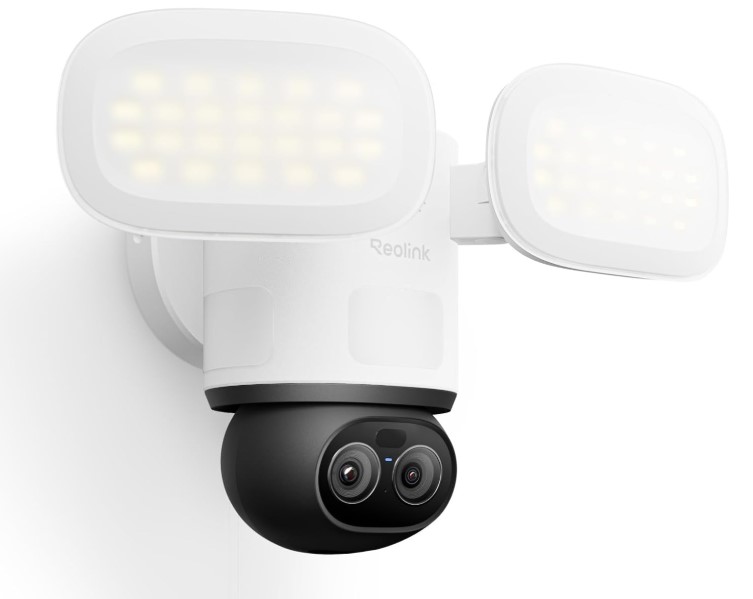
- Motion-activated spotlights
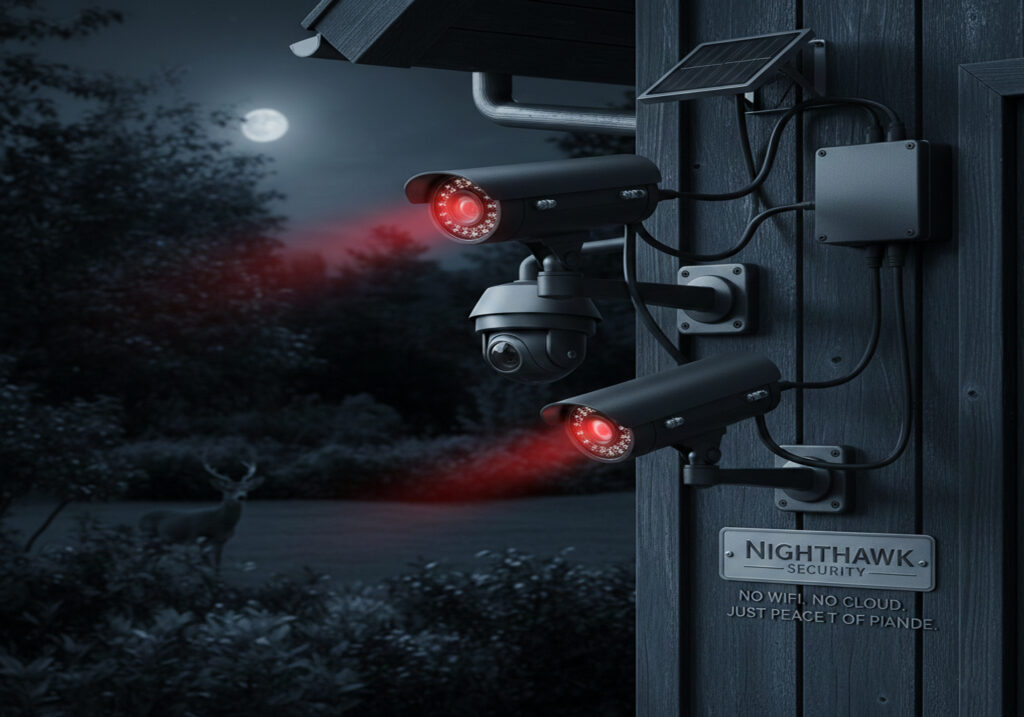
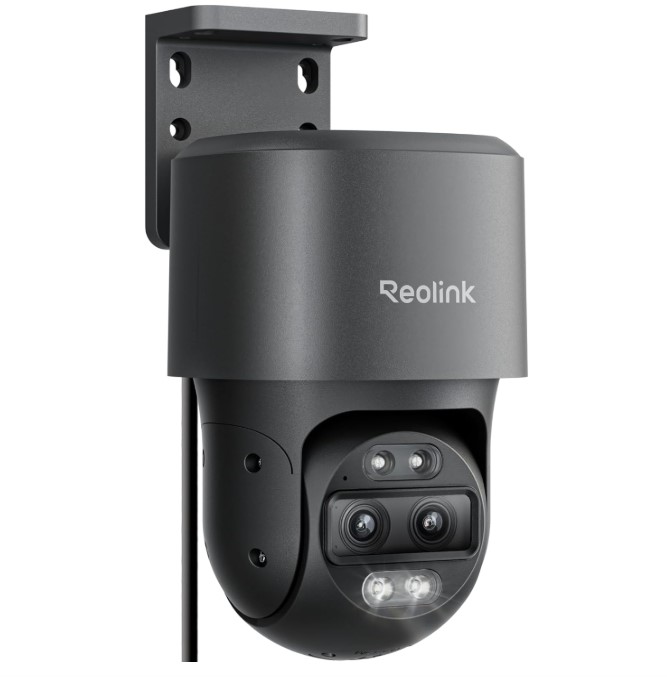
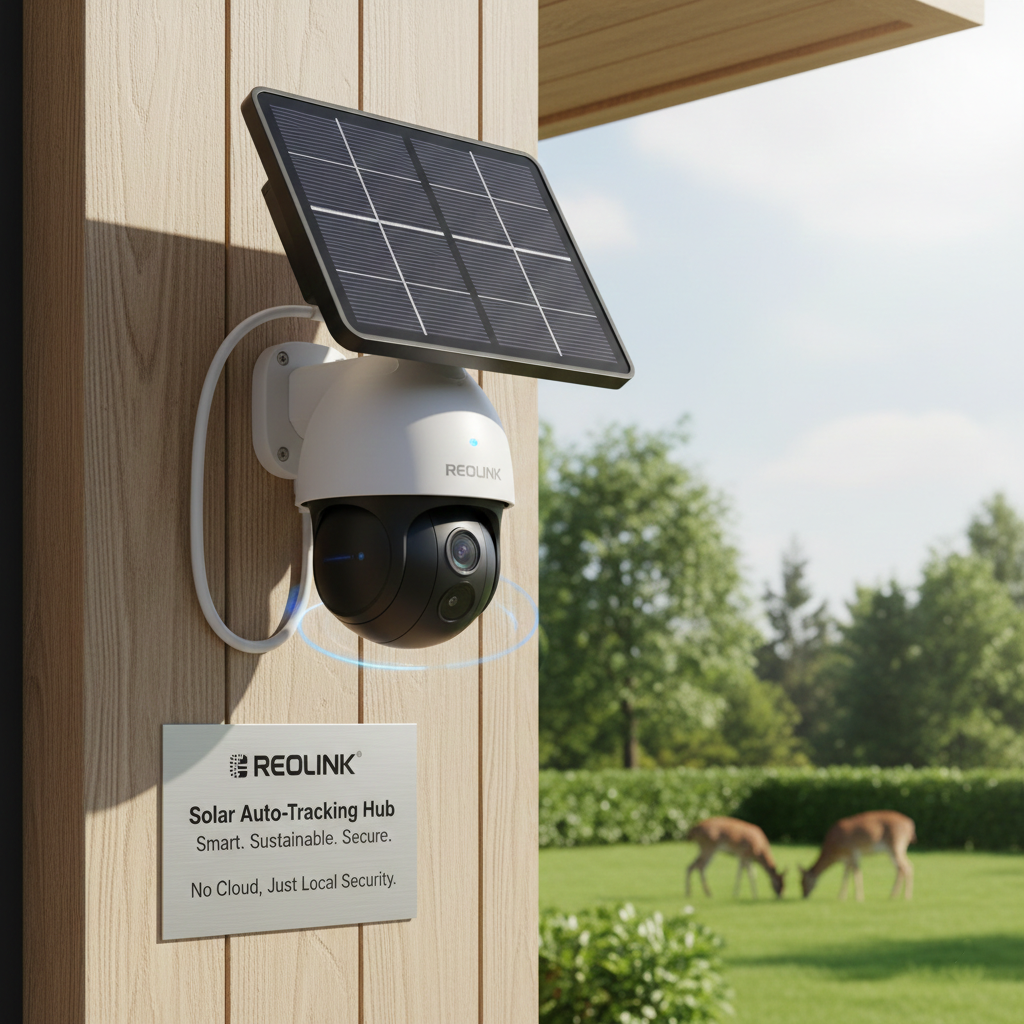
Top brands like Ring, Arlo, and Reolink offer excellent outdoor models. For areas without power access, consider a solar-powered security camera that charges continuously during daylight hours.
Wireless Security Camera Benefits
A wireless security camera means no messy cables and easy setup. These cameras connect through Wi-Fi or cellular networks and send alerts straight to your phone. The main benefits are:
- Easy DIY installation in minutes
- Flexible placement anywhere
- Remote viewing from any location
- Automatic cloud backup options
Make sure your Wi-Fi signal is strong where you want to put the camera. If you have areas with no Wi-Fi, a cellular camera that uses 4G or 5G can be a good solution.
Security Camera Without WiFi Solutions
Some people don’t have steady internet. A camera that doesn’t need Wi-Fi saves video to an SD card or hard drive. These systems are great for:
- Rural properties with limited connectivity
- Vacation homes without internet service
- Backup recording during network outages
- Privacy-conscious homeowners
Many models offer hybrid functionality, seamlessly working both online and offline.
Subscription-Free Models
Monthly fees add up quickly. A security camera without a subscription saves money in the long term by storing footage locally. You own your data completely, with no ongoing costs.
Brands like Eufy and Reolink are known for cameras that don’t need a subscription. Just add a microSD card or plug in a hard drive, and you can start recording right away.
Advanced Features Worth Considering
4K Security Camera Quality
A 4K security camera gives you four times the detail of a regular 1080p camera. This means:
- Sharper facial recognition
- Clearer license plate reading
- Better digital zoom capabilities
- Superior evidence quality
4K cameras cost more at first, but the extra clarity can be very helpful for identifying people or recording what happened.
Solar Powered Security Camera Innovation
A solar-powered security camera can run for a long time without needing new batteries or wiring. A small solar panel keeps it charged, so these are great for:
- Gate entrances far from power sources
- Sheds and detached garages
- Large property perimeters
- Eco-conscious installations
Reolink and eufy both have dependable solar cameras with long-lasting batteries.
Cellular Security Camera Connectivity
A cellular security camera uses mobile data instead of Wi-Fi, so it’s perfect for places without internet. You’ll need:
- A SIM card with a data plan
- Good cellular signal strength
- Compatible network (4G LTE or 5G)
People often use these cameras at construction sites, in RVs, or at remote cabins.
Building Your Home Security Camera System
Single Camera vs. Complete System
A single security camera is good for watching one spot, like your front door. But a full home security system gives you:
- Multiple camera coverage
- Centralized recording device (NVR/DVR)
- Unified mobile app control
- Expandability as needs grow
Most systems come with 4 to 8 cameras that cover different angles. You can use both wired and wireless cameras together for the best coverage.
Installation Tips for Maximum Effectiveness
Putting your cameras in the right spots helps you get the most out of them. Here are some tips:
- Height matters: Mount cameras 8-10 feet high to prevent tampering
- Cover entry points: Focus on doors, windows, and driveways
- Avoid backlighting: Don’t point cameras directly at the sun
- Test viewing angles: Ensure no blind spots exist
- Secure mounting: Use quality hardware to prevent sagging
If you hire a pro, installation usually costs $100 to $200 per camera. Most wireless cameras, though, can be set up in just 15 to 30 minutes.
Choosing the Best Security Camera for Your Budget
Budget-Friendly Options ($50-$100)
Basic cameras work well and don’t cost much. They usually have 1080p video, simple motion detection, and send alerts to your phone. They’re a good choice for beginners or adding to what you already have.
Mid-Range Performers ($100-$250)
Mid-range cameras give you great value and come with features like:
- 2K or 4K resolution
- Advanced AI detection (person vs. animal)
- Color night vision
- Weatherproof construction
- Local and cloud storage options
Premium Systems ($250+)
Top-tier cameras have advanced features like facial recognition, vehicle detection, and work with smart home systems. They’re ideal if you want full property protection.
Best Security Camera Brands in 2026
Ring (Amazon)
Ring is best known for doorbell cameras but also has great standalone options. Their cameras work well with Alexa devices. You’ll need a subscription for cloud storage.
Arlo
Arlo is known for its fully wireless cameras and clear video. They offer different storage plans and smart features. They cost a bit more, but the quality is worth it.
Reolink
Reolink is a top pick for budget-friendly cameras that don’t need a subscription. They offer good value and quality, and are popular with people who like to install things themselves.
Eufy (Anker)
Eufy focuses on privacy and local storage. There are no monthly fees, and the batteries last a long time, making them a great choice if you want to save money.
Wyze
Ultra-affordable cameras starting under $30. Basic features but incredible value for simple monitoring needs.
Privacy and Legal Considerations
Before installing your security camera, understand local laws:
- Audio recording: Some states require two-party consent
- Neighbor property: Don’t point cameras at adjacent homes
- Public spaces: Streets and sidewalks are generally acceptable
- Signage: Consider posting surveillance notices
Always prioritize ethical use and respect privacy boundaries.
Maintenance and Troubleshooting
Keep Your System Running Smoothly
Regular maintenance ensures reliable operation:
- Clean camera lenses quarterly
- Update firmware when available
- Check battery levels monthly
- Test motion detection zones
- Review storage capacity regularly
Most issues resolve with simple power cycles or app updates.
Common Problems and Solutions
Blurry footage: Clean the lens or adjust focus settings
Connection drops: Move the router closer or add a Wi-Fi extender
False alerts: Adjust motion sensitivity or create activity zones
Night vision issues: Ensure infrared sensors aren’t blocked
Frequently Asked Questions
Q: Do security cameras work without internet?
A: Yes, many models record locally to SD cards or hard drives without requiring internet connectivity. You’ll lose remote viewing capabilities, but recording will continue normally.
A: Yes, many models record locally to SD cards or hard drives without requiring internet connectivity. You’ll lose remote viewing capabilities, but recording will continue normally.
Q: How long do security camera batteries last?
A: Battery life varies from 2 to 6 months depending on usage, temperature, and features enabled. Solar-powered models essentially last indefinitely with adequate sunlight.
A: Battery life varies from 2 to 6 months depending on usage, temperature, and features enabled. Solar-powered models essentially last indefinitely with adequate sunlight.
Q: Can I install security cameras myself?
A: Absolutely! Wireless models typically install in 15-30 minutes using basic tools. Wired systems require more effort but remain DIY-friendly with a bit of patience.
A: Absolutely! Wireless models typically install in 15-30 minutes using basic tools. Wired systems require more effort but remain DIY-friendly with a bit of patience.
Q: What’s the difference between 2K and 4K cameras?
A: 4K cameras provide approximately double the resolution of 2K models, offering sharper details for identification purposes. However, they require more storage space and bandwidth.
A: 4K cameras provide approximately double the resolution of 2K models, offering sharper details for identification purposes. However, they require more storage space and bandwidth.
Q: Are subscription fees mandatory for security cameras?
A: No. Many brands offer local storage options via SD cards or network video recorders (NVRs), eliminating monthly fees entirely. Cloud storage remains optional.
A: No. Many brands offer local storage options via SD cards or network video recorders (NVRs), eliminating monthly fees entirely. Cloud storage remains optional.
Making Your Final Decision
Selecting the best security camera depends on your unique situation. Consider these factors:
- Budget: Determine upfront costs vs. ongoing fees
- Coverage area: Calculate how many cameras you need
- Power availability: Choose wired, battery, or solar options
- Internet access: Decide between Wi-Fi, cellular, or offline models
- Resolution needs: Balance quality with storage requirements
Start with one or two cameras for critical areas, then expand as needed. Many systems allow mixing different camera types for maximum flexibility.
Conclusion
Investing in a quality security camera protects your home, family, and peace of mind. Whether you choose an outdoor security camera for perimeter monitoring, a wireless security camera for easy installation, or a complete home security camera system, you’re taking an important step toward comprehensive protection.
Remember, the best security camera is the one that fits your specific needs and budget. Don’t overspend on features you won’t use, but don’t compromise on essentials like video quality and reliability.
Ready to secure your property? Start by assessing your most vulnerable areas, set a realistic budget, and choosing a reputable brand with strong customer support. Your safer home awaits!
Suggestions to Read:
External Links:
- FBI Home Security Statistics (https://ucr.fbi.gov/crime-in-the-u.s)
- FTC Consumer Privacy Guidelines (https://www.ftc.gov/)
- IP Ratings Explained (https://en.wikipedia.org/wiki/IP_Code)